
 FREE Delivery across the UK
 Buy Direct from the Manufacturer
 10 Year Manufacturer Warranty
 Pay Later with PayPal
Reviews
Based on 3 reviews
Roof Lantern
I’m picky about finishes - this passed the test. We went for 2000 x 1500 with Grey outside / White inside. Minor note: a one‑page quick-start guide in the box would be handy, but our installer was fine.
Michael
Was this review helpful?
(1/0)
Roof Lantern
I bought a Brett Martin roof lantern to replace a frameless rooflight from another brand that I got not long ago, and it was nothing but hassle. The difference is night and day. The build quality is great, and the customer service was really helpful throughout.
For anyone thinking about buying a roof lantern, don’t make the same mistake I did. Buy from Daylight Systems as you’re buying directly from Brett Martin themselves. Couldn’t be happier.
For anyone thinking about buying a roof lantern, don’t make the same mistake I did. Buy from Daylight Systems as you’re buying directly from Brett Martin themselves. Couldn’t be happier.
Ray
Was this review helpful?
(1/0)
Glass Roof Lantern
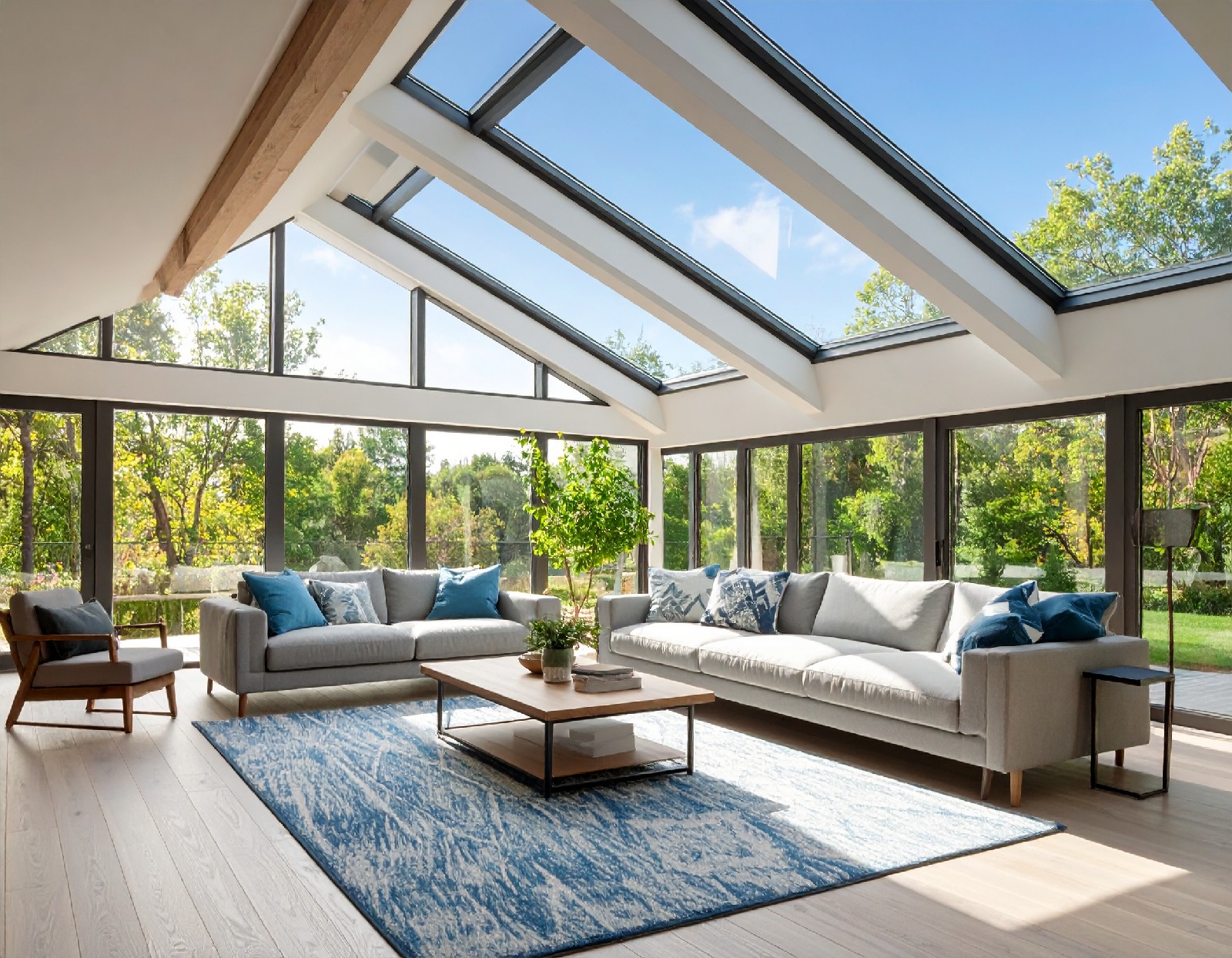
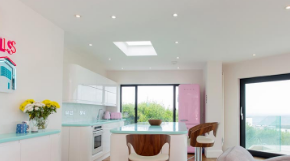
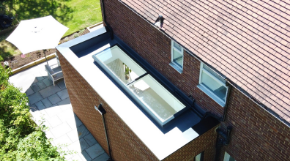
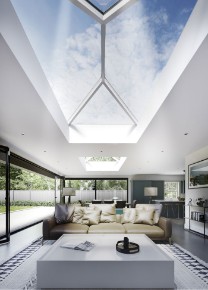
Bought a Glass Roof Lantern (1500 x 1000) in the 4 Pane Contemporary style with white interior / grey exterior and clear TGH/TGH glazing. It’s made a huge difference to the space - the room feels noticeably brighter and the slim frame gives it a really clean, modern finish from both inside and out.
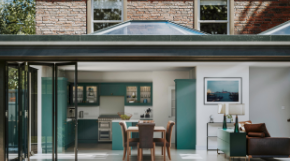
Build quality feels solid and well-made, and once fitted it looks properly “architectural” rather than bulky. The glazing looks great and the overall unit feels premium. Installation onto a prepared upstand was straightforward for our installer and it’s been completely weathertight.
Also worth mentioning: the pricing/discount on my order was excellent value for what you get. Really happy overall and I’d recommend it to anyone upgrading a kitchen extension or flat roof area.
Build quality feels solid and well-made, and once fitted it looks properly “architectural” rather than bulky. The glazing looks great and the overall unit feels premium. Installation onto a prepared upstand was straightforward for our installer and it’s been completely weathertight.
Also worth mentioning: the pricing/discount on my order was excellent value for what you get. Really happy overall and I’d recommend it to anyone upgrading a kitchen extension or flat roof area.
Grace
Was this review helpful?
(1/0)
Related products
Glass Roof Lantern
{{ item }}
{{price}} ex. VAT