
 FREE Delivery across the UK
 Buy Direct from the Manufacturer
 10 Year Manufacturer Warranty
 Pay Later with PayPal
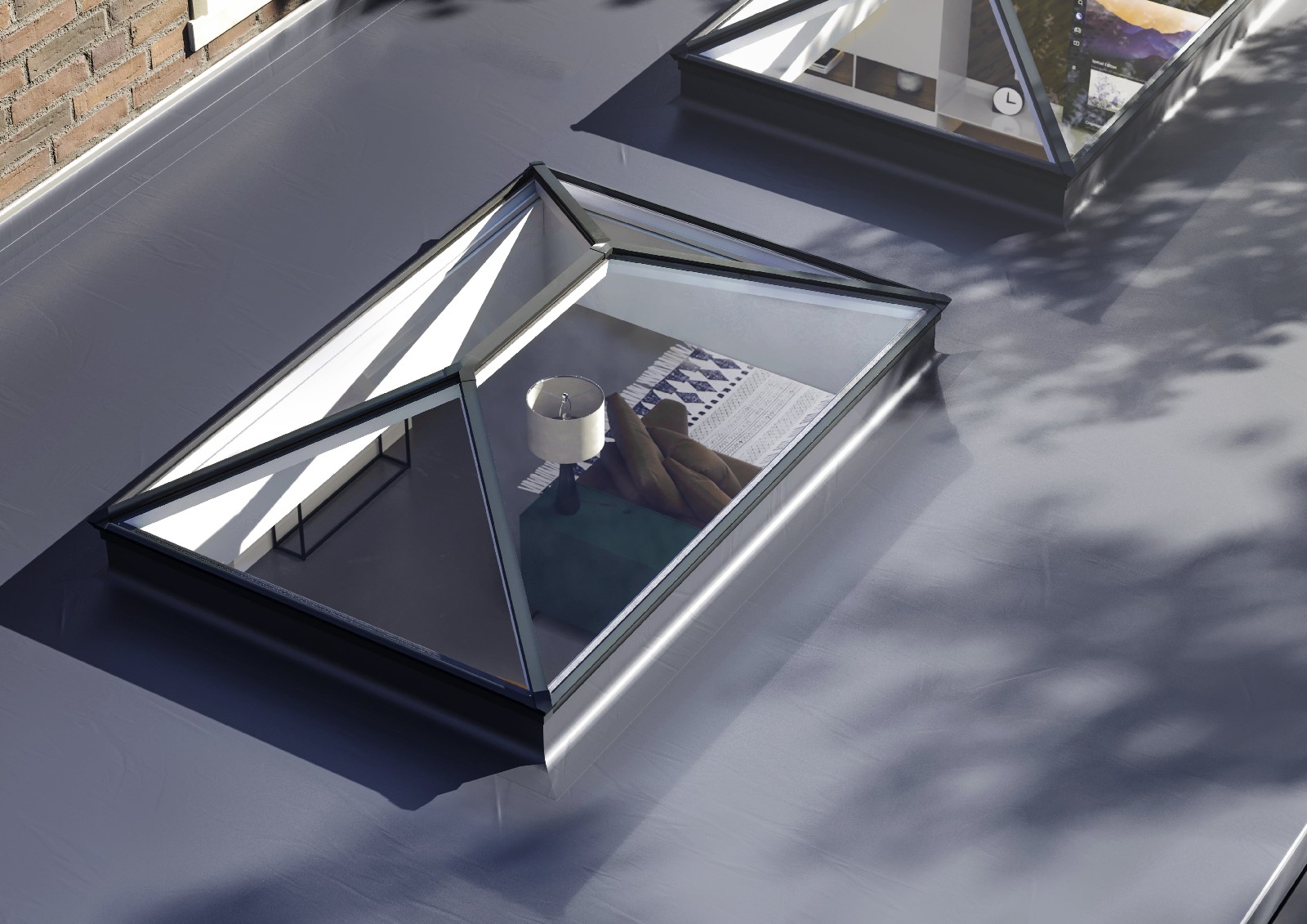
When comparing rooflights or roof lanterns, many products look similar at first glance. Frames appear slim, glass looks clear, and prices can vary widely. It is easy to assume that a cheaper option will do the same job for less.
However, small differences in design, materials, and construction can have a lasting impact. What looks similar on day one may perform very differently after years of exposure to weather and temperature change.
This guide explains what really matters when choosing a rooflight or roof lantern, and why a higher upfront cost often reflects better long-term value.
What Matters Most in a Rooflight or Roof Lantern
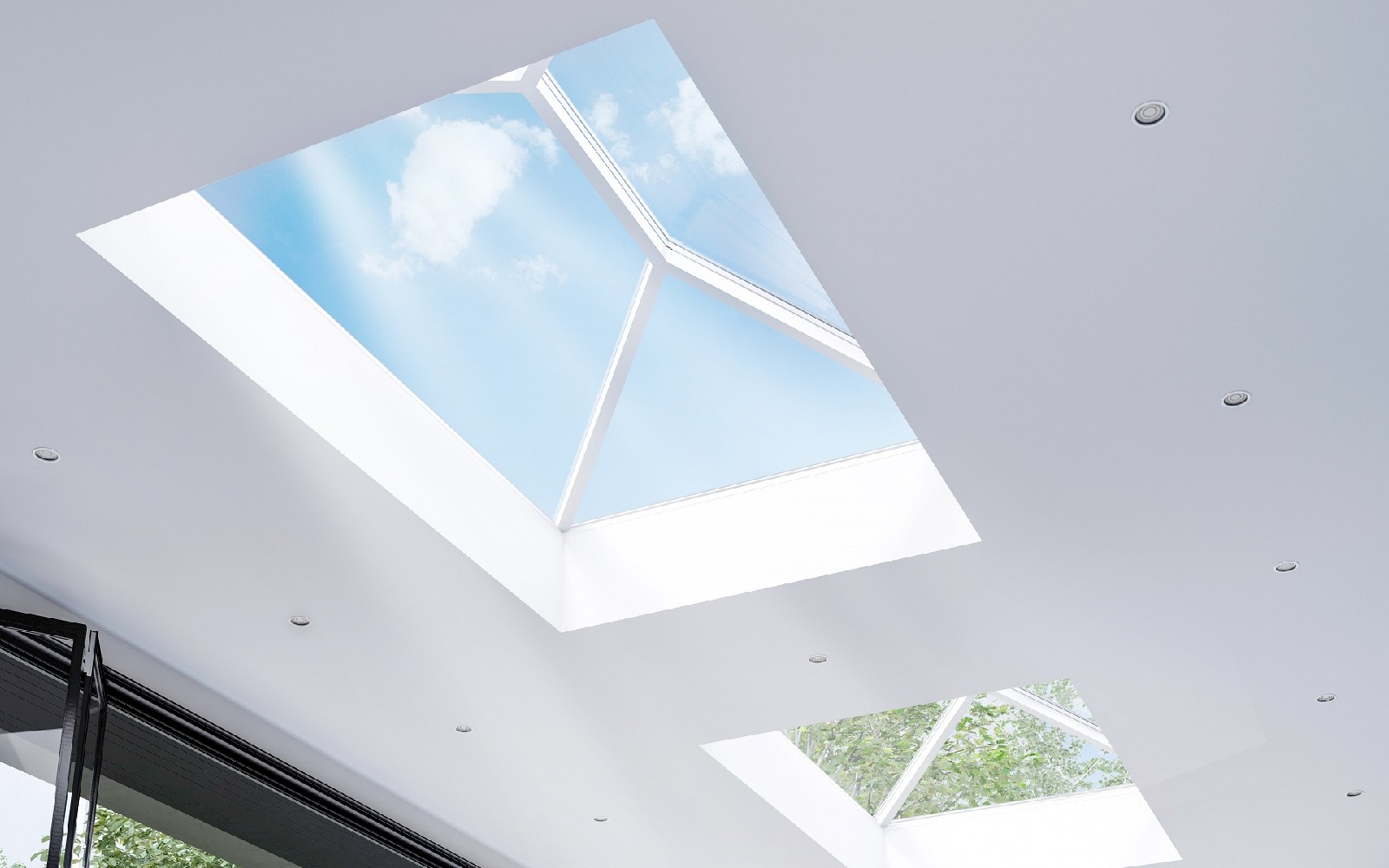
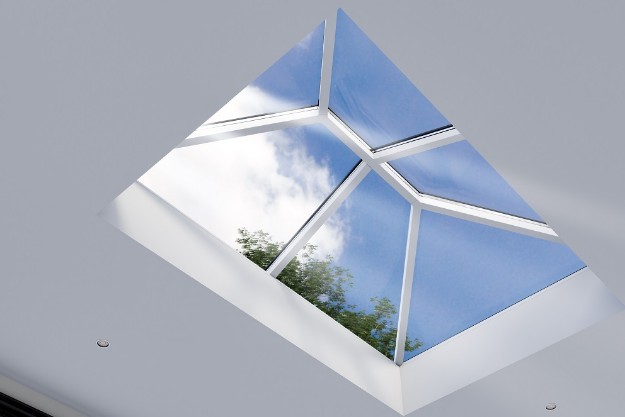
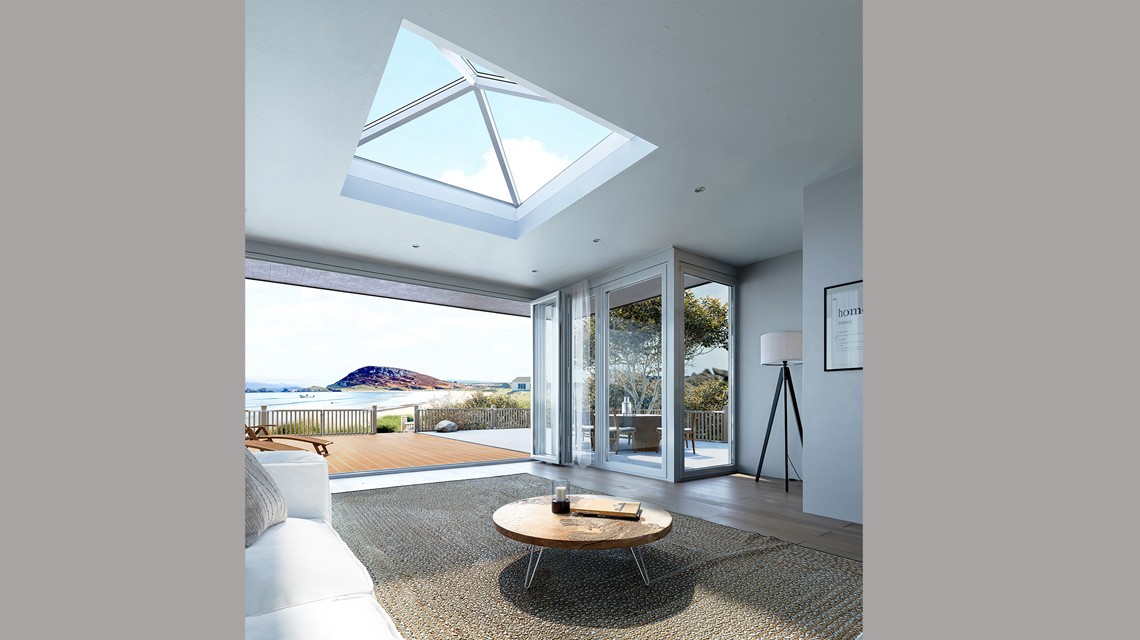
Rooflights and roof lanterns are installed to bring more natural light into a space. Light alone, however, is not enough. These products also need to manage heat, handle poor weather, and remain secure over time.
A well-made system helps keep rooms comfortable in both summer and winter. It limits heat loss, reduces glare, and avoids cold areas below the glass. It should also stay stable during high winds and heavy rain.
Because rooflights and roof lanterns sit overhead, they are exposed to the elements throughout the year. The right materials and glazing help ensure performance stays consistent year after year, without creating issues later on.
Why Some Products Cost Less
Lower prices are often achieved by reducing costs during design and manufacturing. This usually starts with materials. Thinner aluminium and simpler frame designs use less material and take less time to produce.
Glazing can also be an area where costs are reduced. Basic glass units may meet minimum standards but offer lower thermal performance and less protection over time. Seals and joints may also be simpler, which can affect how well the product copes with weather.
Testing and quality checks can vary as well. Fewer checks help reduce upfront cost, but they can increase the risk of problems after installation. While these savings lower the purchase price, they can affect performance in the years that follow.
The Importance of Materials and Build Quality
Materials play a major role in how a rooflight or roof lantern performs. Aluminium quality affects strength and long-term stability. Well-designed aluminium systems are less likely to move or distort over time, especially when exposed to changing temperatures.
Glazing choice matters just as much. High-performance double glazing helps control heat and improve comfort below. Using the right glass in the right place is also important. Toughened glass works well on the outside, where it needs to cope with weather and temperature change. Laminated glass on the inside stays in place if broken, reducing risk to people below.
Build quality brings these elements together. Accurate joints, reliable seals, and consistent manufacturing help ensure the product continues to perform as intended, rather than only meeting expectations on installation day.
How Brett Martin Takes a Different Approach
At Daylight Systems, part of Brett Martin, rooflights and roof lanterns are designed around material quality, safety, and long-term performance rather than minimum build standards.
Strong, stable frames
We use fully thermally broken aluminium frames to help reduce heat loss and limit condensation. The frames are designed to stay stable in changing temperatures and harsh weather, supporting long-term performance once installed.
Safer glazing for overhead use
High-performance double glazing is specified across the range. Toughened glass is used on the outside to handle weather and temperature change. Laminated glass is used on the inside, so if it breaks, it stays in place rather than falling into the room below.
Clear, realistic thermal performance
Insulation figures are published for the entire rooflight or roof lantern, including both the glass and the frame, and based on how the product sits in the roof. This provides a realistic view of how it will perform in everyday use.
Designed to manage water
Frame design and compatibility with insulated upstands help direct rainwater away from the unit, reducing reliance on site-applied sealants.
Long-term support
A 10-year warranty reflects confidence in how the products are built and how they are expected to perform over time.
What Can Happen Over Time With Cheaper Options
Cheaper rooflights and roof lanterns can perform well at first, but changes may appear as time passes. Repeated exposure to heat, cold, wind, and rain places stress on frames and glazing.
If materials are lighter or less robust, movement can occur. This can affect seals, leading to heat loss or water getting in. Glazing with lower thermal performance can also make spaces harder to keep comfortable throughout the year.
When issues appear after installation, repairs can be difficult and costly. In some cases, full replacement may be required, which can outweigh the original saving.
What to Compare Before You Buy
Because many differences are not obvious at first glance, it helps to compare products using clear, practical criteria rather than appearance alone. When making a choice, look for the following:
1. Opening or fixed design
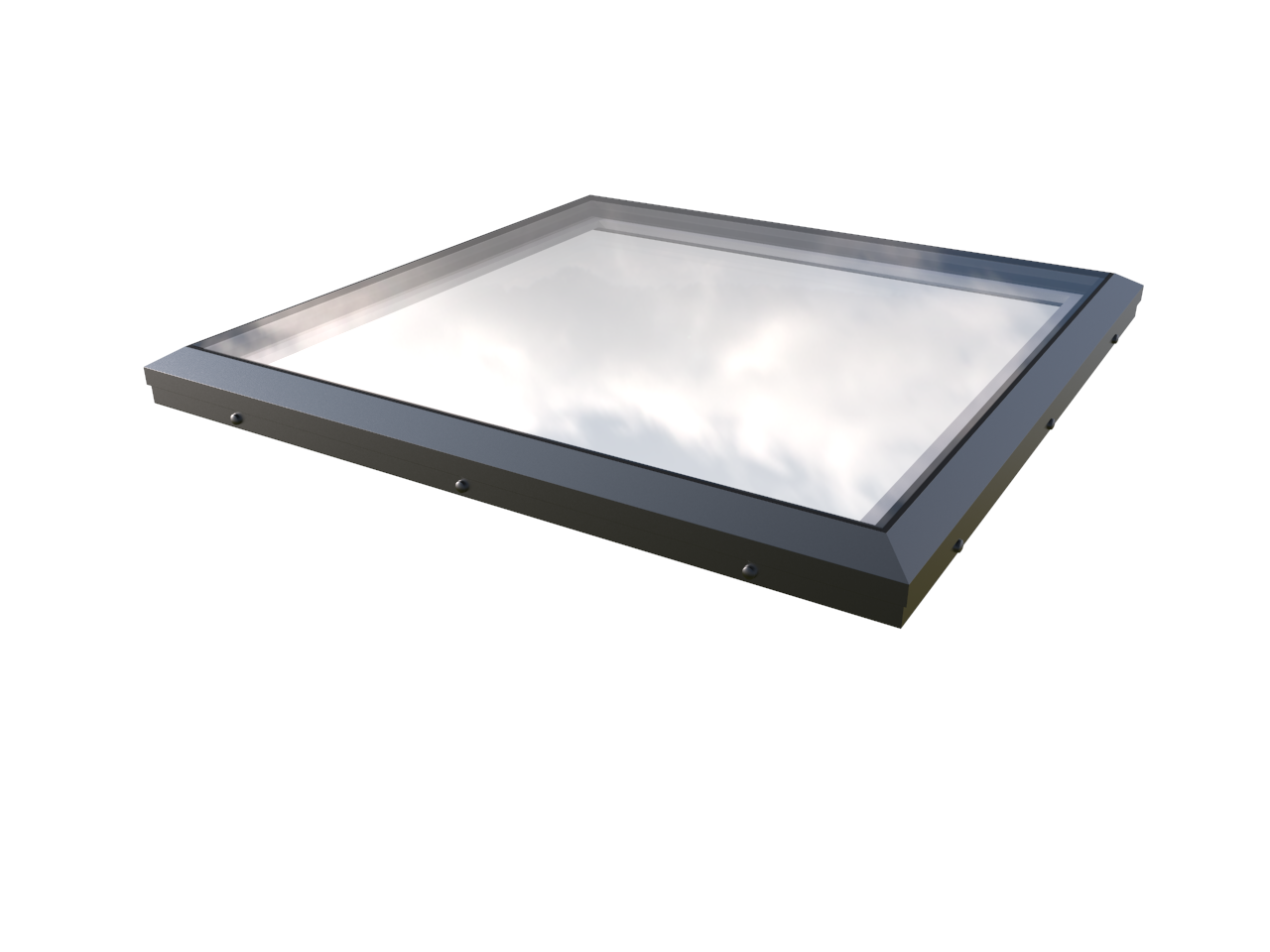
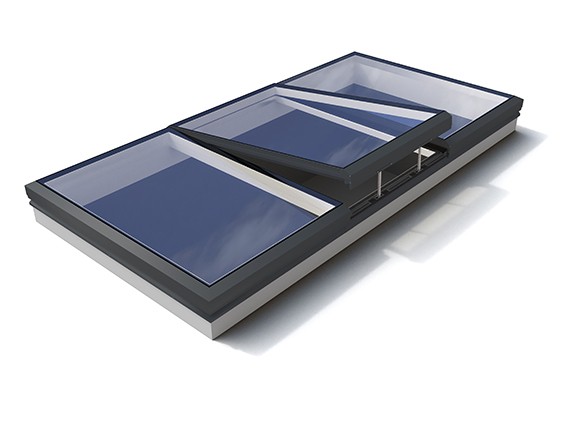
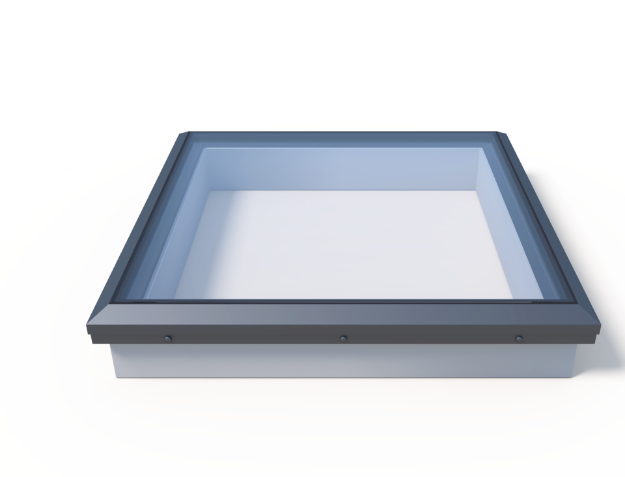
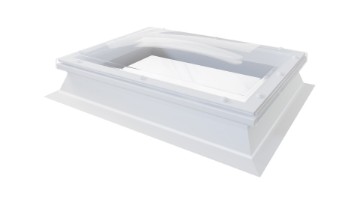
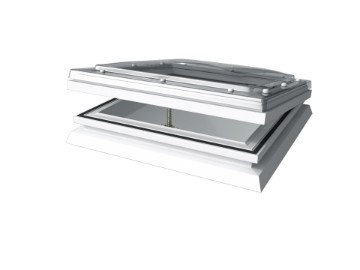
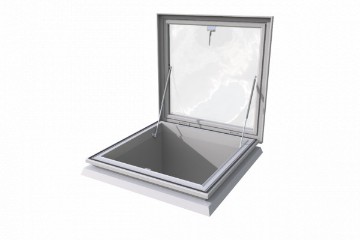
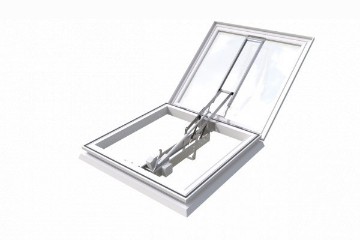
Opening units allow ventilation but add complexity. Fixed units are simpler and often more stable. Our range includes both options, depending on the application.
2. Glazing type and safety
Glass should be suitable for overhead use. Laminated inner glass stays in place if broken. Our rooflights and roof lanterns use toughened outer glass with laminated inner glass.
3. Solar control
Solar control glass helps limit overheating in warmer weather. Solar control options are available across our range.
4. Frame materials
Aluminium quality affects strength and long-term performance. We use fully thermally broken aluminium systems.
5. Framed or frameless design
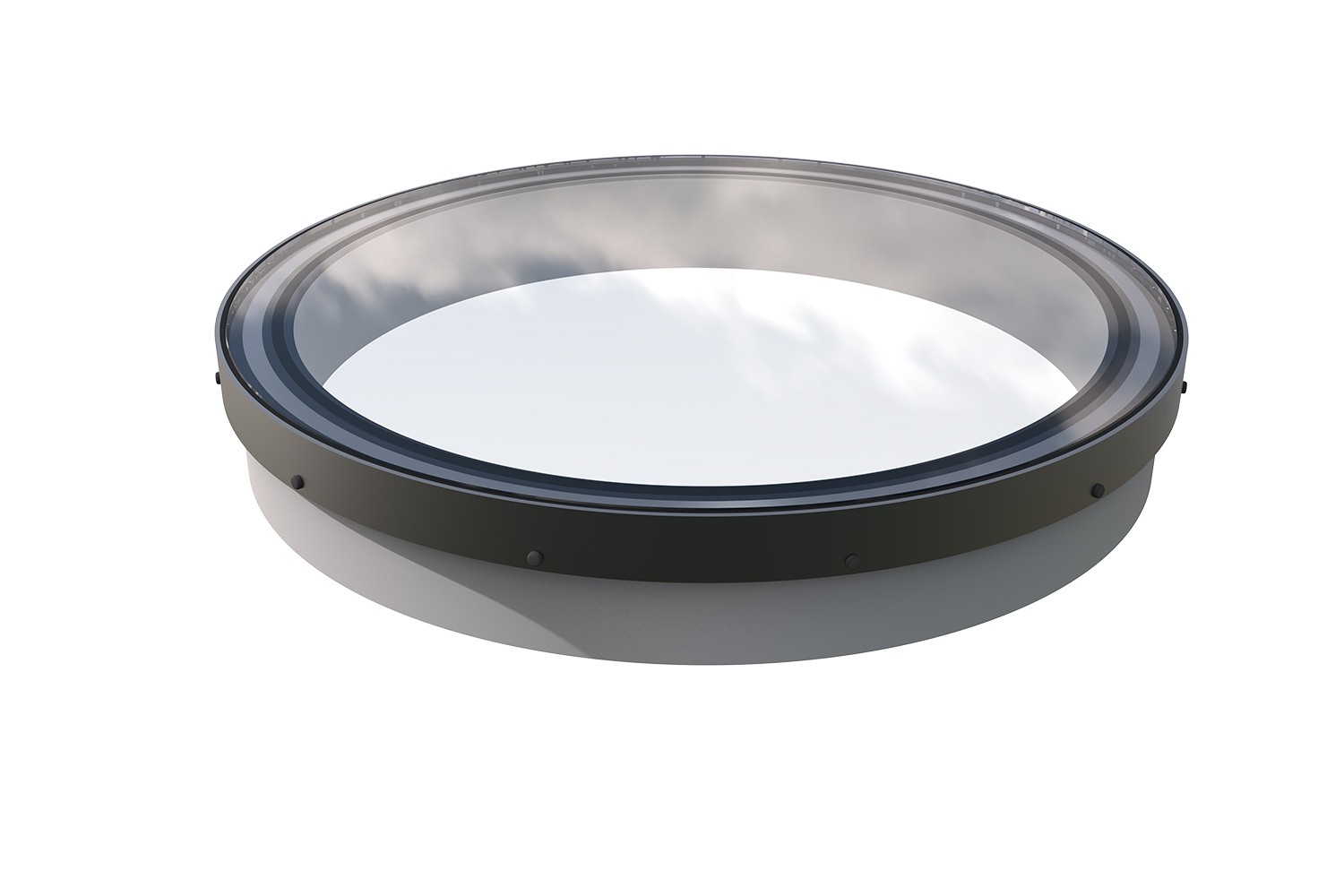
Framed systems offer clearer structural support and water control. Our designs use defined frames for stability and durability.
6. U-value (thermal performance)
Look for figures that reflect the whole product, not just the glass. We measure and show U-values for the whole rooflight, including the glass and the frame, tested in the position it sits in the roof, so the figure reflects real heat loss once installed.
7. Upstand design
A well-insulated upstand supports thermal and weather performance. Our systems are designed to work with insulated upstands.
8. Water management
Good design helps direct rainwater away from the unit.Integrated details support controlled water run-off.
9. Cleaning and maintenance
Glass coatings affect how easy roof glazing is to maintain. Self-clean glass is available on selected products.
10. Warranty length
Longer warranties often reflect confidence in build quality. All our rooflights and roof lanterns come with a 10-year warranty.
Understanding Value, Not Just Price
When rooflights and roof lanterns look similar, it is easy to focus on price alone. Real value comes from how a product performs over time, not how much it costs at the start.
Higher-quality materials, safer glazing choices, and realistic performance data all contribute to long-term reliability. These details help reduce future issues, limit maintenance, and support consistent comfort once installed.
By focusing on specification rather than price alone, you can choose a rooflight or roof lantern that delivers reliable performance over its full lifespan.
Browse our range of Brett Martin rooflights and roof lanterns designed to perform well beyond installation day.