
 FREE Delivery across the UK
 Buy Direct from the Manufacturer
 10 Year Manufacturer Warranty
 Pay Later with PayPal
When you choose a rooflight or roof lantern, the type of glass matters as much as the frame. It affects safety, durability, and how the glazing performs above your living space. If you are comparing options, the choice often comes down to laminated glass or toughened glass.
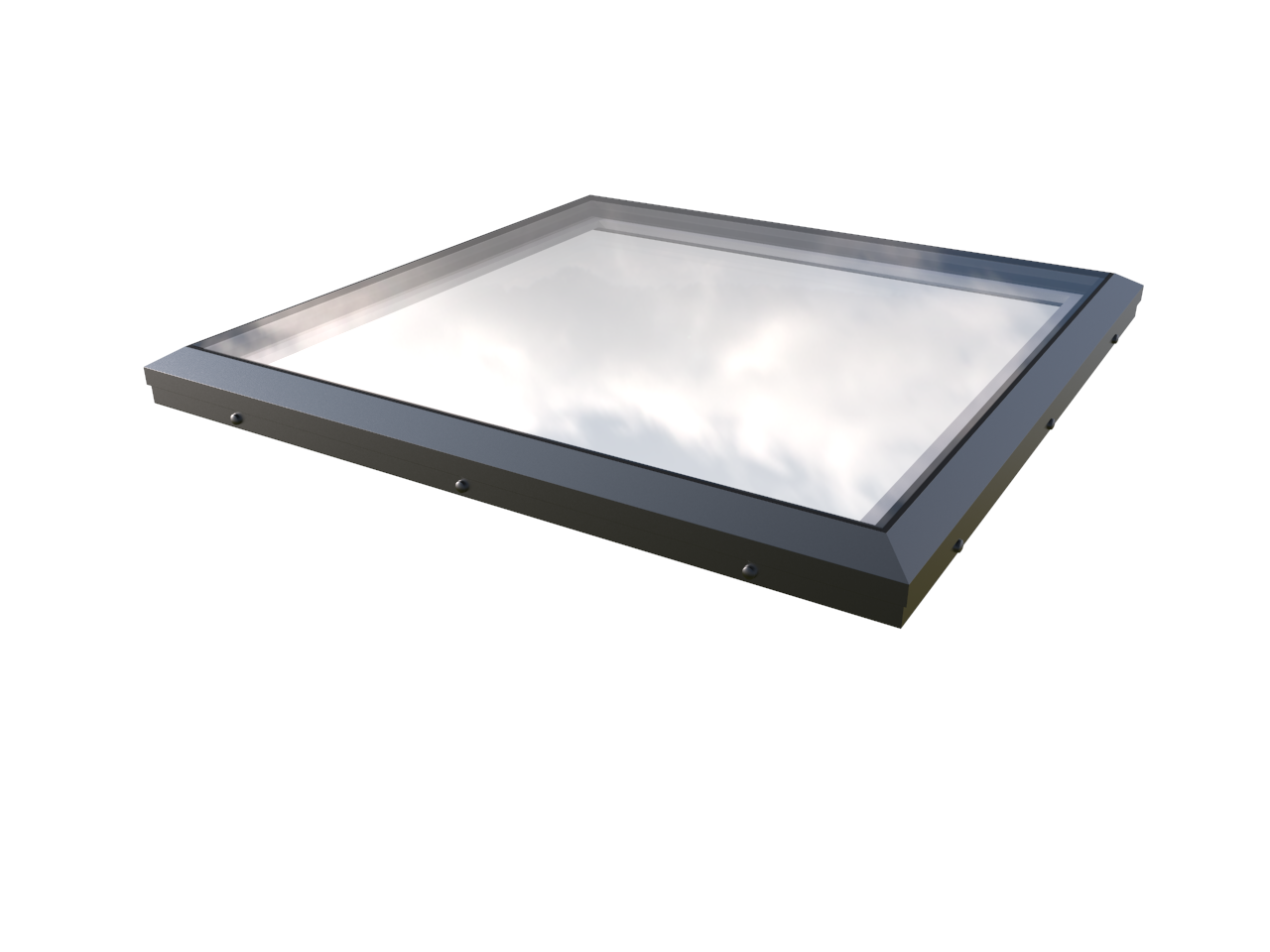
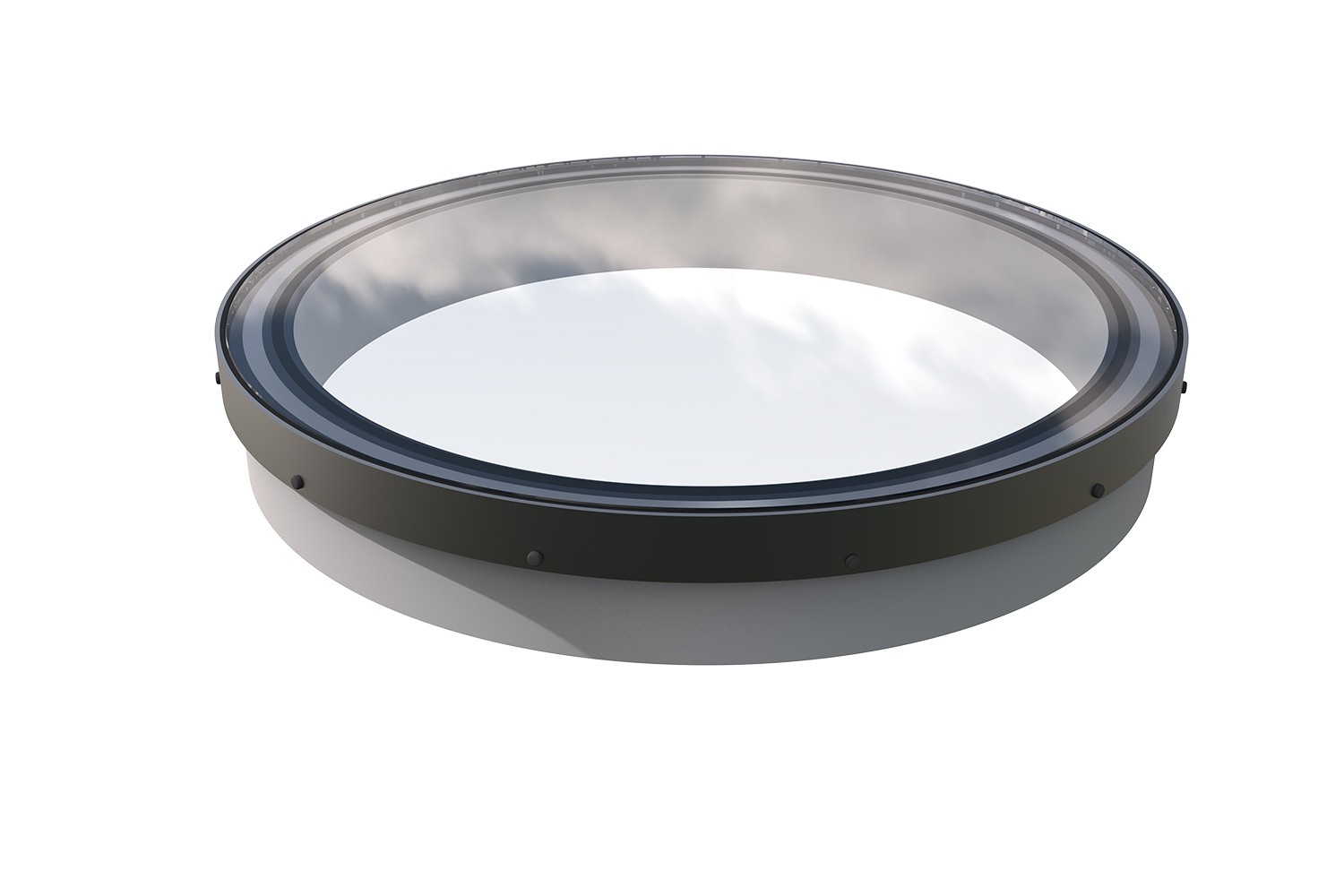
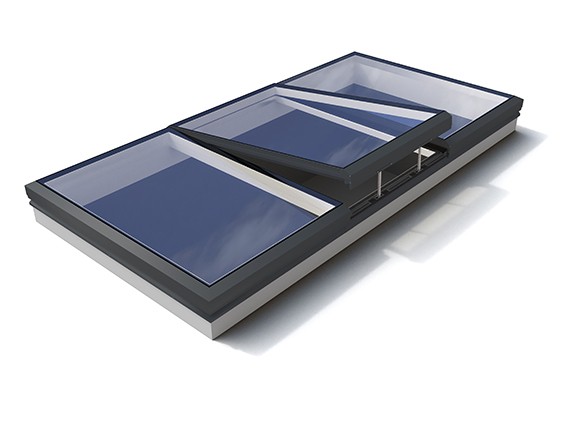
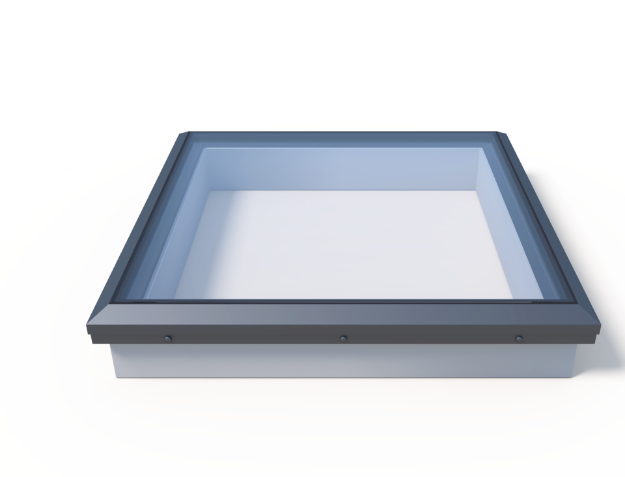
Brett Martin rooflights and roof lanterns can be supplied with both laminated and toughened glass, either on their own or as part of a combined glazing unit. This guide explains what each type of glass is, how they differ, and where each works best, so you can choose the right option for your home with confidence.
What Is Laminated Glass?
Laminated glass is made by bonding two sheets of glass together with a clear plastic layer in between. This inner layer holds the glass together if it cracks.
For rooflights and roof lanterns, this matters because the glass sits above your living space. If laminated glass breaks, it stays in place rather than falling down. That is why it is widely used for overhead glazing and why Brett Martin offers laminated glass across its rooflight and roof lantern range.
Pros of Laminated Glass for Rooflights and Roof Lanterns
Laminated glass offers clear benefits when used in overhead glazing:
- Safer if broken: The glass stays bonded to the inner layer, reducing the risk of pieces falling into the room below.
- Better protection for people underneath: This makes it well suited for rooflights and roof lanterns installed above living areas.
- Improved security: The bonded layers are harder to break through than a single sheet of glass.
- Reduced noise: The inner layer helps limit sound transfer, which can be useful if your roof glazing faces traffic or rain exposure.
These benefits are why laminated glass is often specified as the inner pane in Brett Martin rooflights and roof lanterns.
Cons of Laminated Glass for Rooflights and Roof Lanterns
Laminated glass also has some limits to consider:
- Higher cost: It usually costs more than toughened glass due to its layered build.
- Heavier weight: The added layers make it heavier, which can affect handling and fitting.
- Not always needed on its own: In many rooflight and roof lantern designs, laminated glass is used alongside toughened glass rather than as a single solution.
For this reason, Brett Martin rooflights and roof lanterns often combine laminated glass with a toughened outer pane to balance safety, strength, and cost.
The Rooflight Association Recommendation
The Rooflight Association recommends that the inner pane of a rooflight or roof lantern should always be laminated glass. This guidance is based on how laminated glass behaves if it breaks. Because it stays in place, it helps reduce the risk to people below.
Brett Martin rooflights and roof lanterns are designed with this recommendation in mind. In many cases, they use laminated glass on the inside, paired with toughened glass on the outside. This approach suits overhead glazing, where safety and performance both matter.
What Is Toughened Glass?
Toughened glass is heat treated to make it much stronger than standard glass. This process allows it to cope better with impact and changes in temperature, which is useful for roof glazing exposed to the elements.
When toughened glass breaks, it shatters into small, blunt pieces rather than sharp shards. For rooflights and roof lanterns, it is often used as the outer pane, where strength and weather resistance are key. Brett Martin offers toughened glass across its rooflight and roof lantern range for this reason.
Pros of Toughened Glass for Rooflights and Roof Lanterns
Toughened glass has several benefits when used in roof glazing:
- High strength: It is much stronger than standard glass and handles impact well.
- Handles temperature changes: It performs reliably in exposed roof positions where heat and cold vary.
- Safer break pattern: If it breaks, it forms small pieces that are less likely to cause injury.
- Well suited as an outer pane: Its strength makes it a practical choice for the external layer of Brett Martin rooflights and roof lanterns.
These qualities make toughened glass a common choice where durability is a priority.
Cons of Toughened Glass for Rooflights and Roof Lanterns
Toughened glass also has limits when used on its own:
- Falls away when broken: Once it shatters, the glass does not stay in place.
- Limited protection below: This makes it less suitable as an inner pane for overhead glazing.
- Not usually used alone: For rooflights and roof lanterns, it is often paired with laminated glass rather than used by itself.
Because of this, Brett Martin rooflights and roof lanterns commonly use toughened glass on the outside, with laminated glass on the inside.
Key differences between Toughened Glass Vs Laminated Glass
When you compare laminated and toughened glass for rooflights and roof lanterns, the main differences come down to how they behave and where they are used.
1. Behaviour when broken
Laminated glass stays in place when cracked. Toughened glass breaks into small pieces and falls away.
2. Safety below the glass
Laminated glass offers better protection for people underneath. Toughened glass is not suited as an inner pane on its own.
3. Position in the glazing unit
Laminated glass is usually used on the inside. Toughened glass is typically used on the outside.
4. Cost and weight
Laminated glass costs more and weighs more. Toughened glass is lighter and often more cost effective.
This is why Brett Martin rooflights and roof lanterns often use a combination of both, with each type of glass used where it performs best.
Choosing the Right Glass for Your Brett Martin Rooflight or Roof Lantern
The right choice depends on where the glazing sits and how it is used. For most homes, overhead glazing works best when each type of glass has a clear role.
If the glass is above a living space, laminated glass is the safer option for the inner pane. It stays in place if damaged and follows the Rooflight Association guidance. This is why many Brett Martin rooflights and roof lanterns use laminated glass on the inside.
Toughened glass suits the outer pane. It handles weather, impact, and temperature changes well. Used together, laminated glass inside and toughened glass outside offer a balanced solution for strength, safety, and cost.
If you are unsure which option suits your rooflight or roof lantern, choosing a Brett Martin product with both glass types is often the most practical approach.
Conclusion
Laminated and toughened glass each serve a clear purpose in rooflights and roof lanterns. Laminated glass is designed to stay in place if it breaks, which makes it well suited for the inner pane above living spaces. Toughened glass offers strength and reliability in exposed roof positions, which is why it is often used on the outside.
Brett Martin rooflights and roof lanterns are available with both laminated and toughened glass, allowing each type to be used where it performs best. By choosing the right combination, you can be confident that your roof glazing meets safety guidance while delivering reliable performance for your home.
Explore our full range of Brett Martin rooflights and roof lanterns.