
 FREE Delivery across the UK
 Buy Direct from the Manufacturer
 10 Year Manufacturer Warranty
 Pay Later with PayPal
What Are Framed Rooflights?
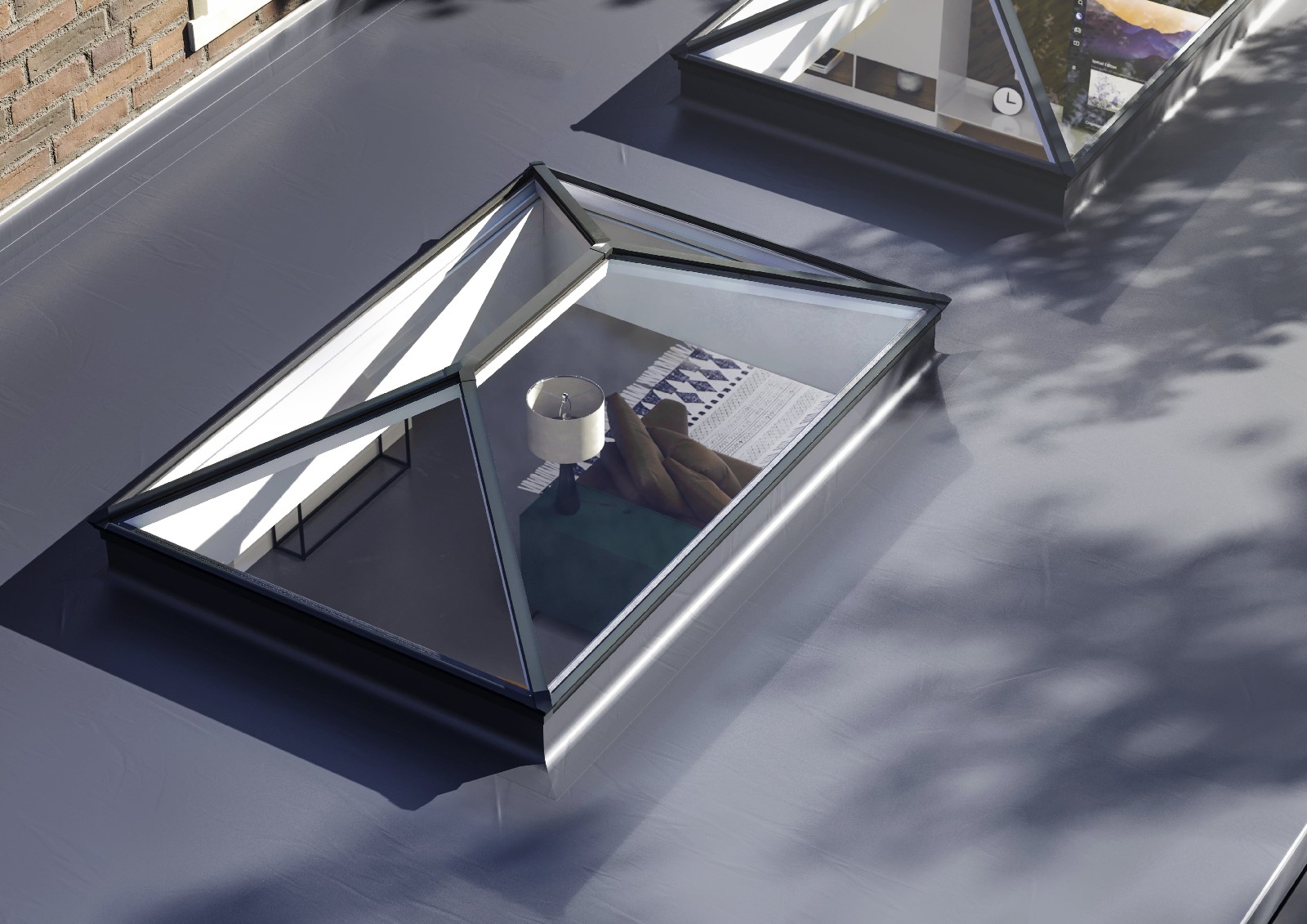
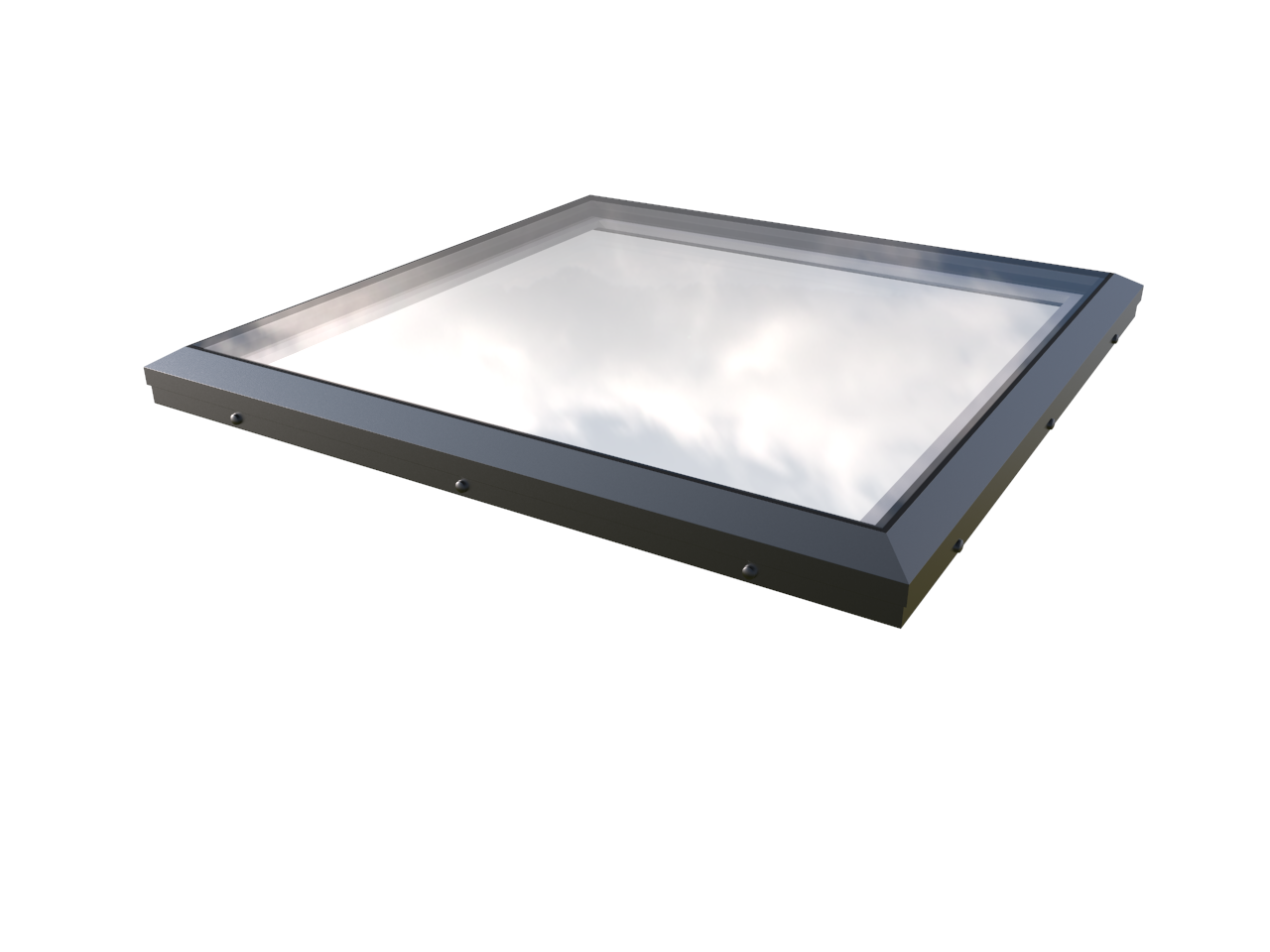
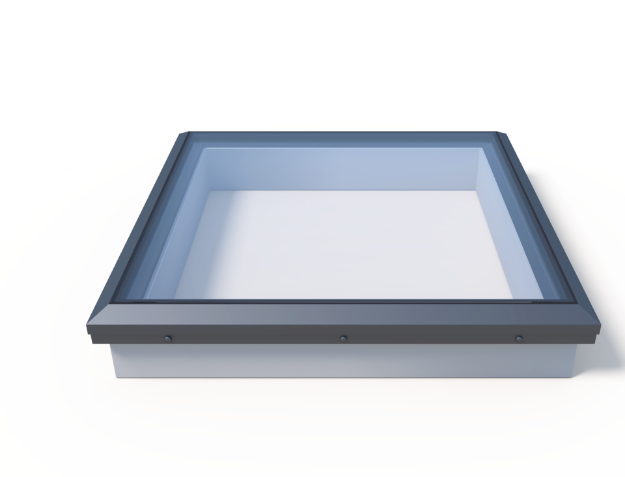
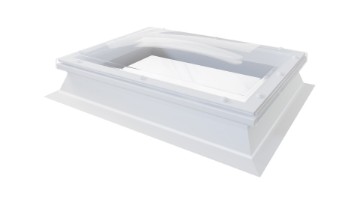
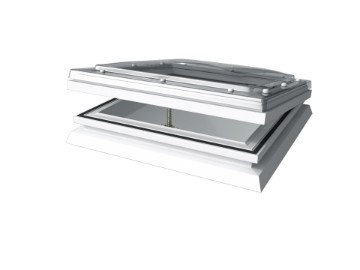
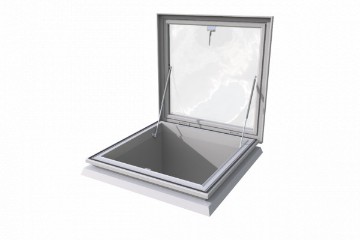
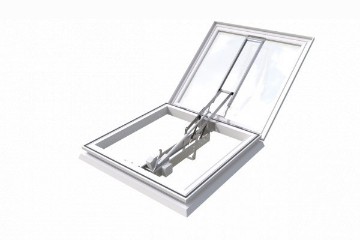
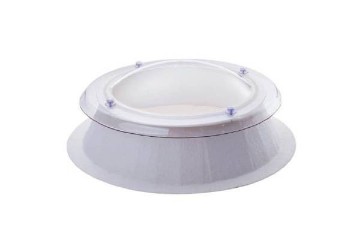
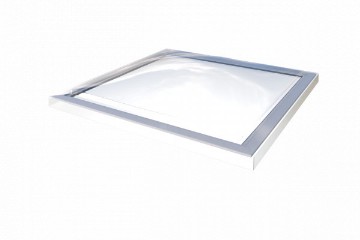
Framed rooflights use a visible aluminium frame that supports the glass on all sides. The frame holds the unit firmly in place and creates a solid link between the glass and the roof. Aluminium works well here because it is strong, steady in changing temperatures, and suited to a wide range of roof types.
This style gives you a clear view while keeping the structure secure. With models like Brett Martin rooflights, the frame is slim enough to look neat but still strong enough to give reliable support for many years.
What Are Frameless Rooflights?
Frameless rooflights aim to give a clean, glass-only look. From inside your home, the edges appear clear, and the supporting structure is hidden below the glass. This style is often chosen for its simple appearance.
Although the frame is not visible, there is still a base or upstand beneath the glass. The glass usually overhangs this base, which creates the “frameless” effect. Because the visible edge is just glass, the structure relies more on the thickness of the glass and the way it is sealed to the base. This can affect strength, weather performance, and upkeep over time.
Key Differences Between Framed and Frameless Rooflights
When you compare framed and frameless rooflights, the way each one is built affects how it looks, how it performs, and how much upkeep it may need. Here’s a clear breakdown of the main differences you should know about before making your choice.
1. Appearance
Frameless rooflights offer a clean glass edge, while framed rooflights have a slim aluminium surround. Both give you a clear view, but the framed style provides a more defined border that sits neatly on the roof.
2. Strength and durability
A framed rooflight has a solid aluminium structure that supports the glass on all sides. This adds strength and helps the unit cope with pressure, movement, and changing conditions. Frameless styles rely more on the glass itself, which can make them less steady over time.
3. Weather performance
The frame in a framed rooflight creates a firm seal against rain and wind. It also helps direct water away from the unit. Frameless versions depend on sealants around the glass overhang, which may need more checks and upkeep to stay secure.
4. Thermal performance
Both styles can offer good thermal results, but framed rooflights usually hold their performance longer because the structure stays stable. The frame helps keep the glass in the right position and reduces the risk of gaps forming over time.
5. Ease of installation
Framed units tend to be easier to place and fix because the structure is clear and rigid. This helps installers achieve a neat, safe fit. Frameless styles can need more care during fitting due to the exposed glass edge and heavier weight.
6. Long-term upkeep
A framed rooflight usually needs less upkeep because the aluminium frame protects the edges of the glass. Frameless versions may need more frequent checks of the seals, especially where the glass overhangs.
7. Security and safety
The solid frame in an aluminium rooflight helps hold the glass firmly, even under sudden impact or load. This can make it harder to dislodge or damage. Frameless designs have fewer fixing points at the edges, which can reduce strength and security in some setups.
Why Aluminium Framed Rooflights Are a Better Choice
Aluminium framed rooflights offer a steady and dependable build that suits most homes. The frame supports the glass on all sides, which helps the unit stay firm through changing weather and daily use. This structure also reduces movement in the glass, which can help the rooflight last longer.
Brett Martin aluminium rooflights are designed to give strong, reliable support with a neat, slim profile. The structure provides steady strength that frameless designs often lack, helping the unit cope with wind load, sudden impact, and day-to-day wear.
Thermal performance is another clear advantage. Because the frame holds the glass securely, the seals stay protected, and thermal results remain consistent over time.
Security is also stronger. The aluminium frame grips the glass firmly and reduces weak points around the edges, giving you a safer and more stable unit.
Upkeep is simpler as well. The frame shields the glass edges, so the seals face less strain. This means fewer checks and a lower chance of early wear.
Overall, aluminium framed rooflights, such as those from Brett Martin, offer a dependable mix of strength, stable performance, and long-term value.
Common Myths About Frameless Rooflights
Many homeowners are drawn to the clean look of a frameless rooflight, but some of the claims you may hear about them are not always accurate. Here are a few common myths explained in simple terms.
“They are stronger.”
A frameless rooflight may look solid, but the strength often comes from the thickness of the glass rather than a supporting structure. Without an aluminium frame to hold the edges, the unit can be more vulnerable to movement and impact.
“They let in more light.”
The view through both framed and frameless rooflights is much the same. A slim aluminium frame does not block daylight in any meaningful way, so you still get a bright, open feel.
“They need less upkeep.”
Frameless designs rely heavily on exposed seals around the glass. These seals can face more strain from rain, sun, and temperature changes, which may lead to more frequent checks. A framed rooflight protects these areas, reducing the need for ongoing upkeep.
When deciding between framed and frameless rooflights, it helps to think about how each option will perform once it is part of your home. Appearance matters, but so do strength, thermal results, and how much upkeep you are willing to manage.
If you want a rooflight that stays steady through changing weather, holds its shape, and keeps the seals protected, a framed unit is usually the safer choice. The aluminium frame offers clear support, which helps the rooflight stay stable for many years.
Frameless designs may suit you if your main goal is a clear glass edge, but you should be ready for more frequent checks of the seals and edges.
For most homes, a framed rooflight is the more dependable choice. Brett Martin aluminium rooflights deliver this support with a neat, slim profile that still gives you a clear, bright view.
If you would like to explore the options available, you can browse our range of rooflights to find the style that suits your home.