
 FREE Delivery across the UK
 Buy Direct from the Manufacturer
 10 Year Manufacturer Warranty
 Pay Later with PayPal
If you’re thinking about adding rooflights to your home, one of the first decisions you’ll need to make is whether to choose a fixed or an opening option. Both bring natural light into a space, but they work in different ways and suit different rooms.
That’s why we’re going to explain what each type is, how they differ, and which one may be right for your project.
What is a Fixed Rooflight?
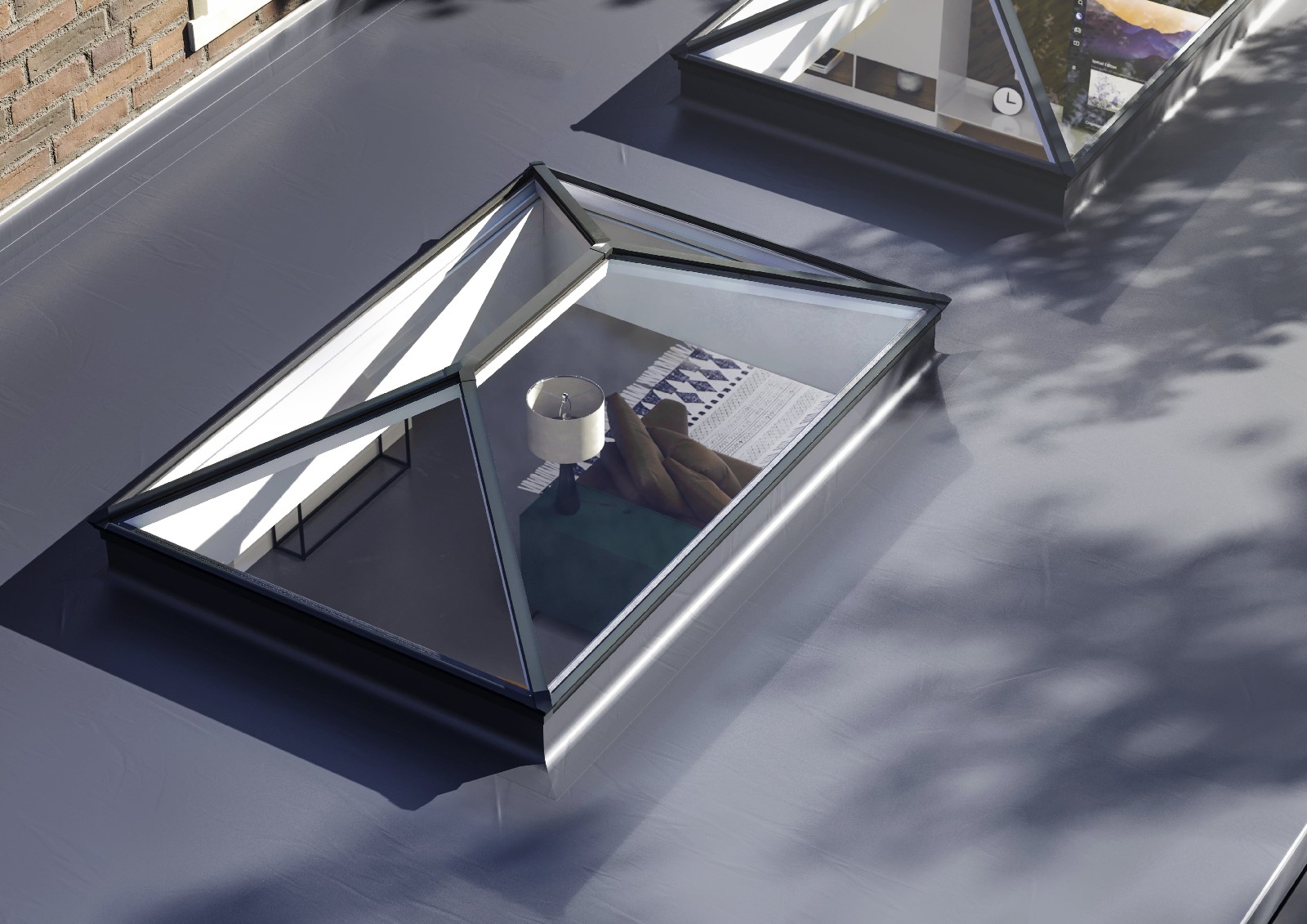
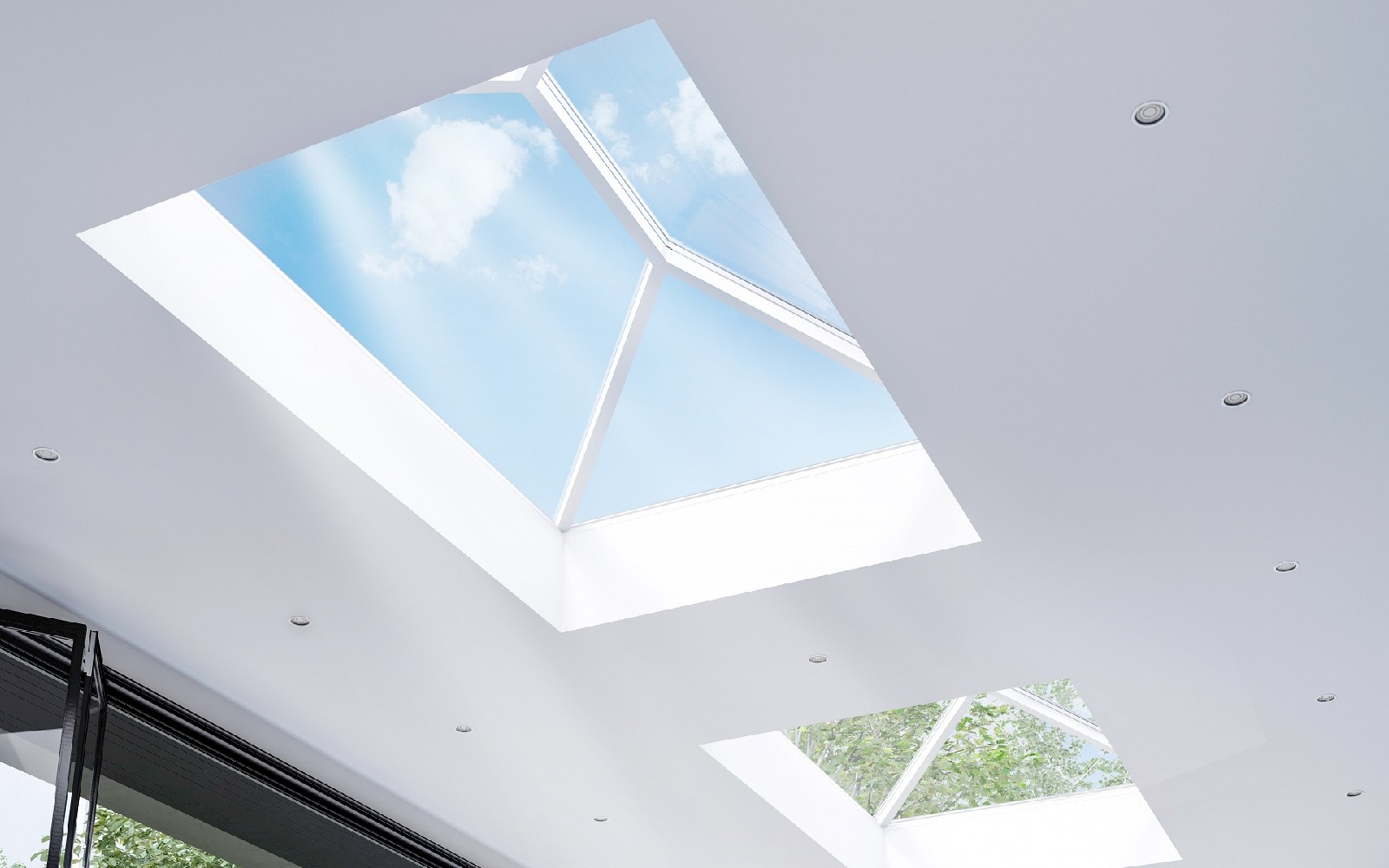
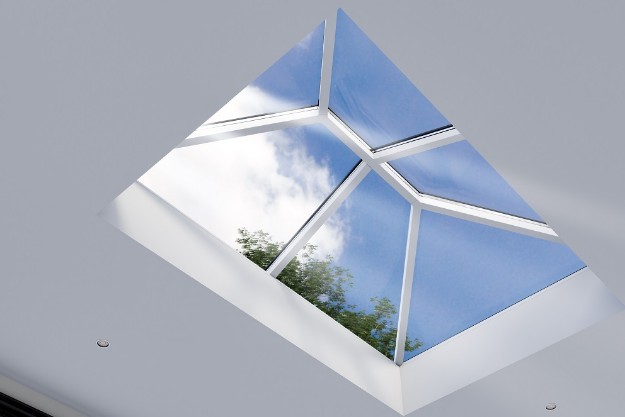
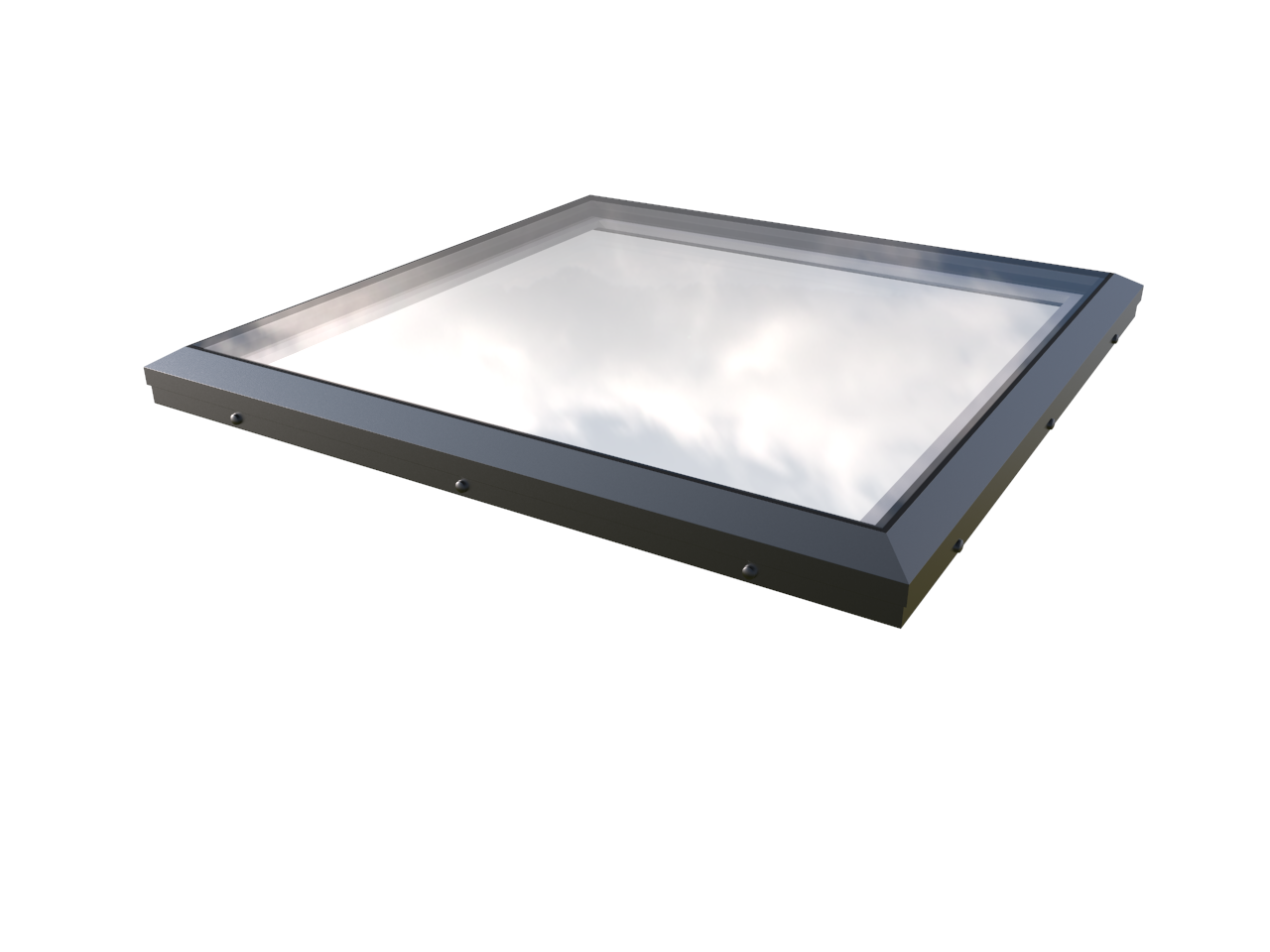
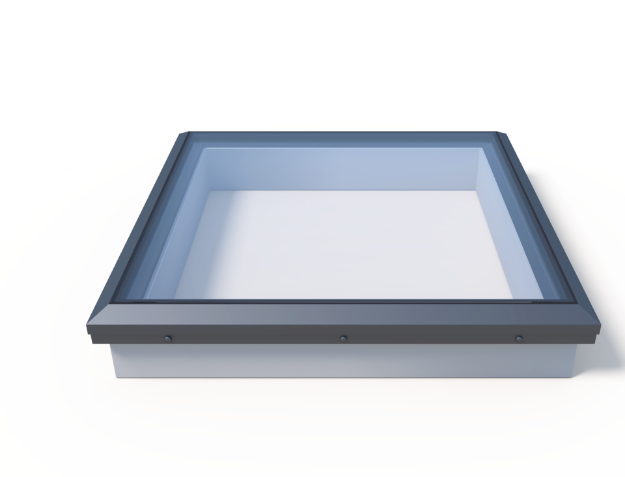
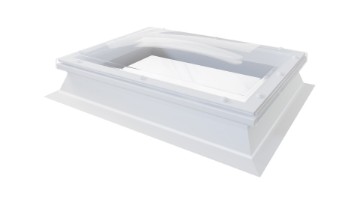
A fixed rooflight is a glazed unit that is designed to stay permanently closed. Its primary purpose is to allow natural light into a space without the need for ventilation. Fixed rooflights are also referred to as non-opening rooflights, fixed skylights, or static rooflights.
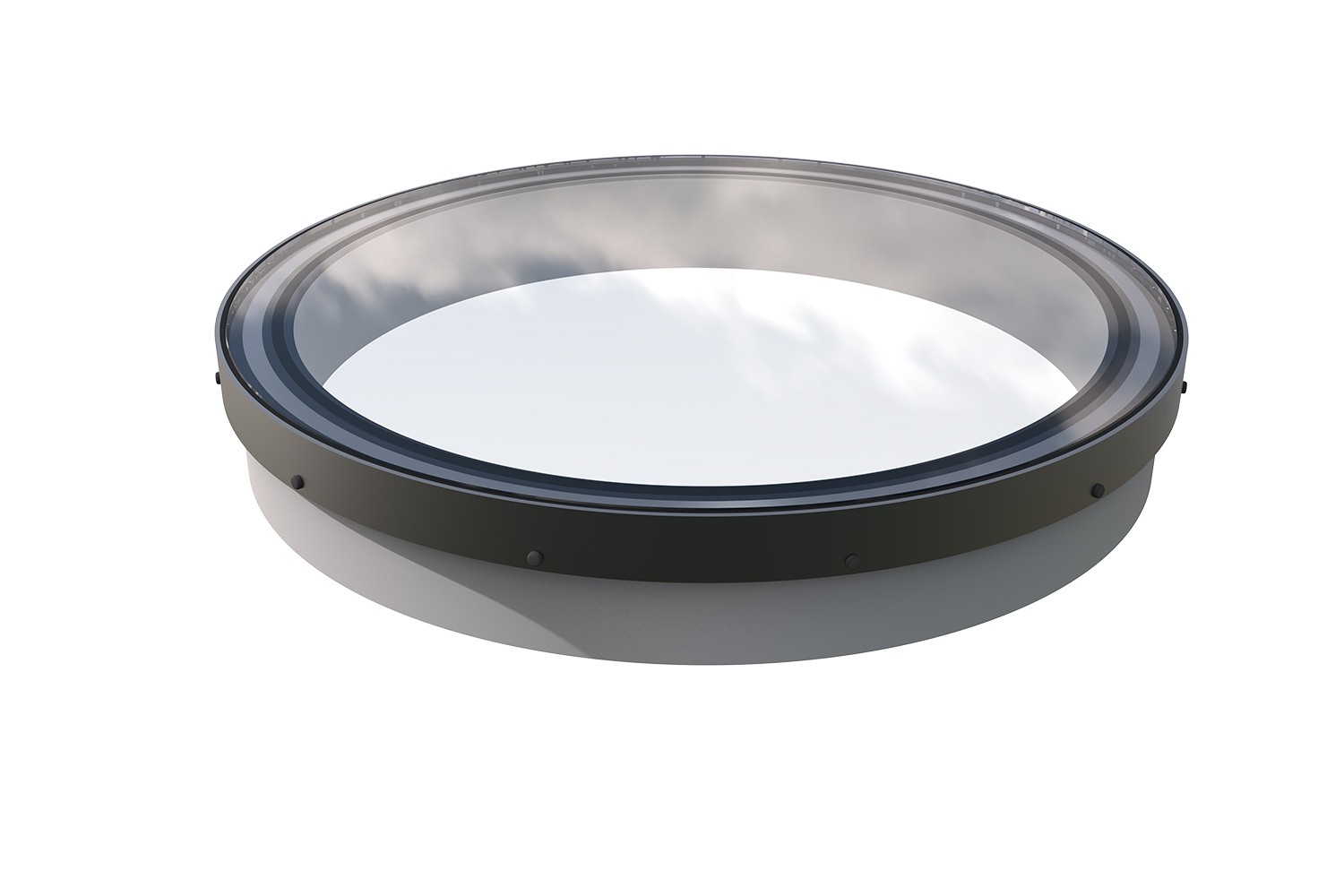
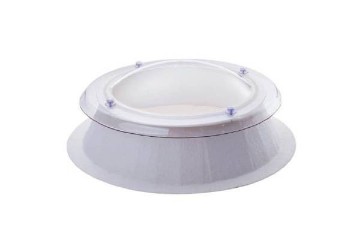
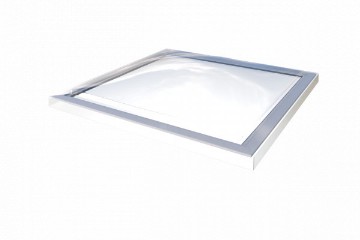
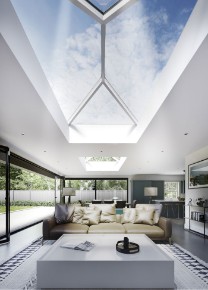
These rooflights come in various designs, including flat glass, dome, and pyramid shapes. Fixed rooflights are a popular choice for areas where you want to maximise light without worrying about airflow.
The fixed rooflights we supply are made with energy-efficient glass and designed to keep your home insulated and weather-tight.
What is an Opening Rooflight?
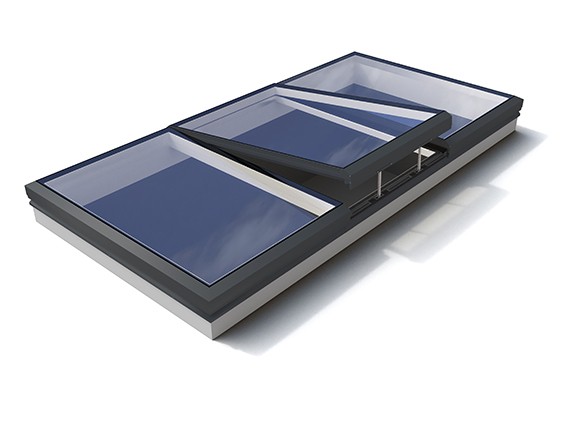
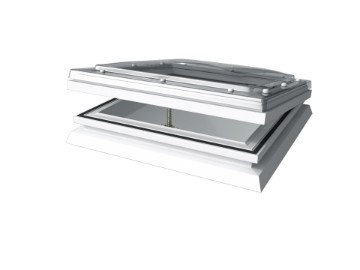
An opening rooflight provides both daylight and ventilation. It can be opened by hand or operated electrically, depending on the model. You may also hear these referred to as vented rooflights, openable skylights, or ventilation rooflights.
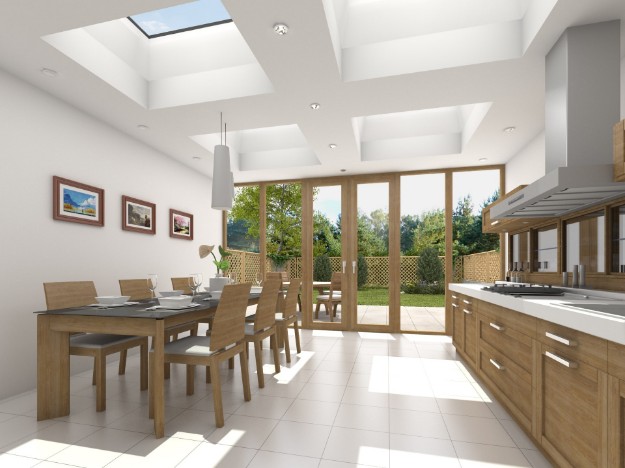
Opening rooflights are often used in rooms where heat, steam, or stale air can build up, such as kitchens, bathrooms, and loft rooms. They allow you to release warm air and bring fresh air into the space when needed.
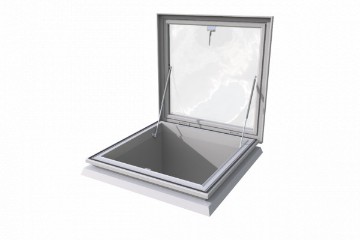
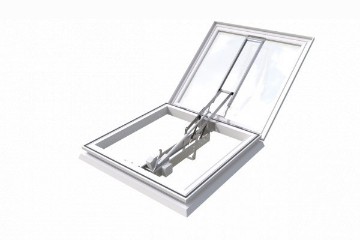
The opening rooflights we offer, like flat access hatch rooflights, include manual options for easy access areas and electric options for rooflights that are out of reach.
What is the Main Difference Between a Fixed and an Opening Rooflight?
The main difference between fixed and opening rooflights lies in ventilation.
A fixed rooflight offers natural light with no ability to open, making it ideal for spaces that don't need airflow. On the other hand, an opening rooflight allows you to let air into the room, which is particularly useful in areas where heat, moisture, or odours are a concern.
While both types are available in a range of designs and sizes, the choice between them mainly depends on whether you need to control airflow in addition to light. Fixed rooflights are simpler in design and usually cost less, while opening rooflights are more versatile and provide the added benefit of ventilation.
Fixed vs Opening Rooflights - Differences at a Glance
Choosing between a fixed or opening rooflight depends on how you want the space below to function, whether your priority is simply bringing in natural light or adding ventilation as well.
Fixed Rooflights
- Provide natural daylight only
- Remain sealed at all times
- Lower initial cost
- Minimal maintenance
- Best for “light-only” spaces
Opening Rooflights
- Provide daylight and ventilation
- Can be opened and closed
- Higher initial cost
- May need occasional checks
- Best for rooms needing fresh air
Pros of Fixed Rooflights
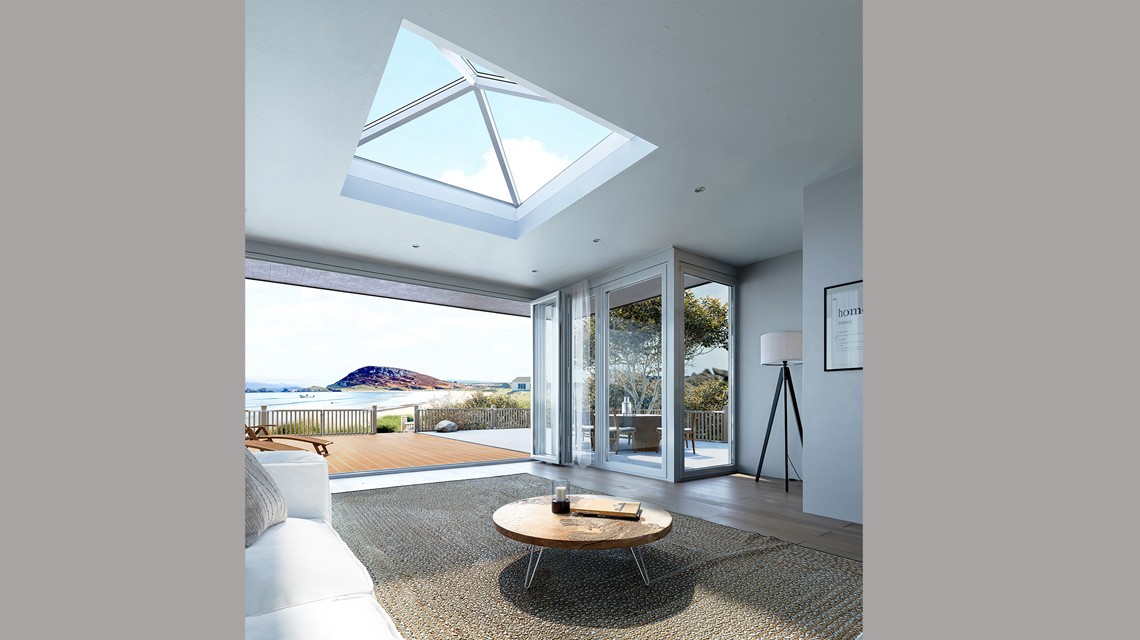
Fixed rooflights are a popular choice when the main goal is to maximise natural light while keeping the design simple, efficient, and cost effective.
1. Maximum Daylight with No Disruption
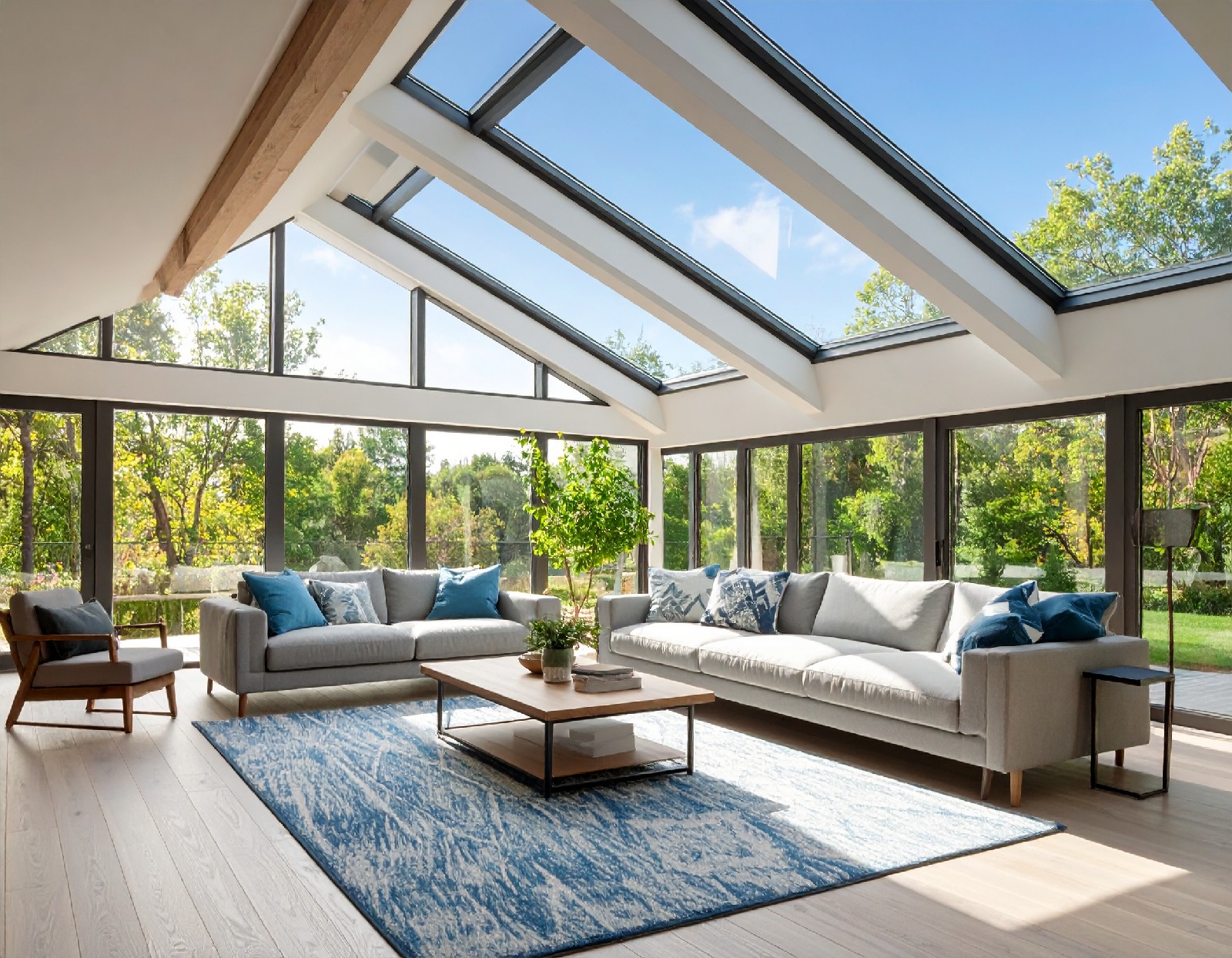
A fixed rooflight is designed purely to bring daylight into your home. Because the glass does not open, the full glazed area is used for light, which can make rooms feel brighter throughout the day. This works especially well in extensions, hallways, and stairwells where light is needed but airflow is not.
2. Improved Insulation
Because a fixed rooflight stays sealed at all times, it often delivers excellent insulation. This helps reduce heat loss in winter and limits draughts, making it a practical choice for living spaces used year-round.
3. Lower Cost and Simple Installation
Fixed rooflights are usually more affordable than opening options. The unit itself costs less, and installation is often simpler due to fewer components. This can make fixed rooflights a good choice when working within a set budget or installing multiple rooflights.
4, Minimal Ongoing Maintenance
With no opening function, fixed rooflights have fewer parts that could require adjustment over time. Aside from occasional cleaning of the glass, they need very little attention, which suits homeowners looking for a low-maintenance solution.
Cons of Fixed Rooflights
While fixed rooflights offer simplicity and strong daylight performance, there are some practical limitations to consider before choosing this option.
1. No Ventilation
The main limitation of a fixed rooflight is that it cannot provide airflow. In rooms where heat, moisture, or cooking smells build up, this can make the space feel uncomfortable unless other ventilation is already in place.
2. Less Adaptable if the Room Changes
If a room’s purpose changes in the future, a fixed rooflight cannot respond to new ventilation needs. For example, if a quiet living space later becomes a kitchen or workspace, the lack of airflow may become an issue.
3. Limited Control Over Temperature in Summer
While fixed rooflights let in light year-round, they do not allow warm air to escape. In south-facing rooms or spaces with large glazing areas, this may contribute to overheating during warmer months.
Pros of Opening Rooflights
Opening rooflights are designed for spaces where both natural light and effective ventilation play an important role in everyday comfort.
1. Combines Daylight and Ventilation
Opening rooflights allow natural light into your home while also giving you the option to introduce fresh air. This makes them especially useful in rooms that are used frequently or where air can feel stale.
2. Helps Reduce Condensation and Moisture
In kitchens, bathrooms, and loft rooms, steam and moisture can build up quickly. Being able to open the rooflight allows warm, moist air to escape, which can help reduce condensation on walls, ceilings, and windows.
3. Greater Control Over Comfort
Opening rooflights give you control over airflow throughout the day. You can open them to release heat in summer or close them during cooler or wet weather, helping you manage comfort more actively.
4. Suitable for Hard-to-Reach Areas
Opening rooflights are available with electric operation, making them practical even when installed high up or over stairwells. This allows you to benefit from ventilation without needing direct access.
Cons of Opening Rooflights
While opening rooflights offer added flexibility and comfort, there are a few drawbacks to keep in mind when comparing them with fixed options.
1. Higher Initial Cost
Opening rooflights typically cost more than fixed units. This reflects the additional operating components involved. Installation may also take slightly longer, which can affect overall project costs.
2. More Parts to Look After
Because opening rooflights include moving parts, they may need occasional checks to ensure smooth operation. While designed for long-term use, they are not as simple as fixed units.
Fixed vs Opening Rooflights - Which Should You Choose?
Our advice is simple: think about how the room will be used.
If your main goal is to bring more daylight into a space and ventilation is not an issue, a fixed rooflight is often the right choice. This works well in living areas, extensions, hallways, and stairwells. If the room tends to get warm or damp, an opening rooflight gives you the option to let fresh air in. This is especially useful in kitchens, bathrooms, and loft conversions.
If you’re still unsure, our skylight specialists can help you narrow down the right option for your home.
Explore our range of rooflights or contact our team for guidance based on your space, roof type, and budget.