Circular Rooflight Size Options
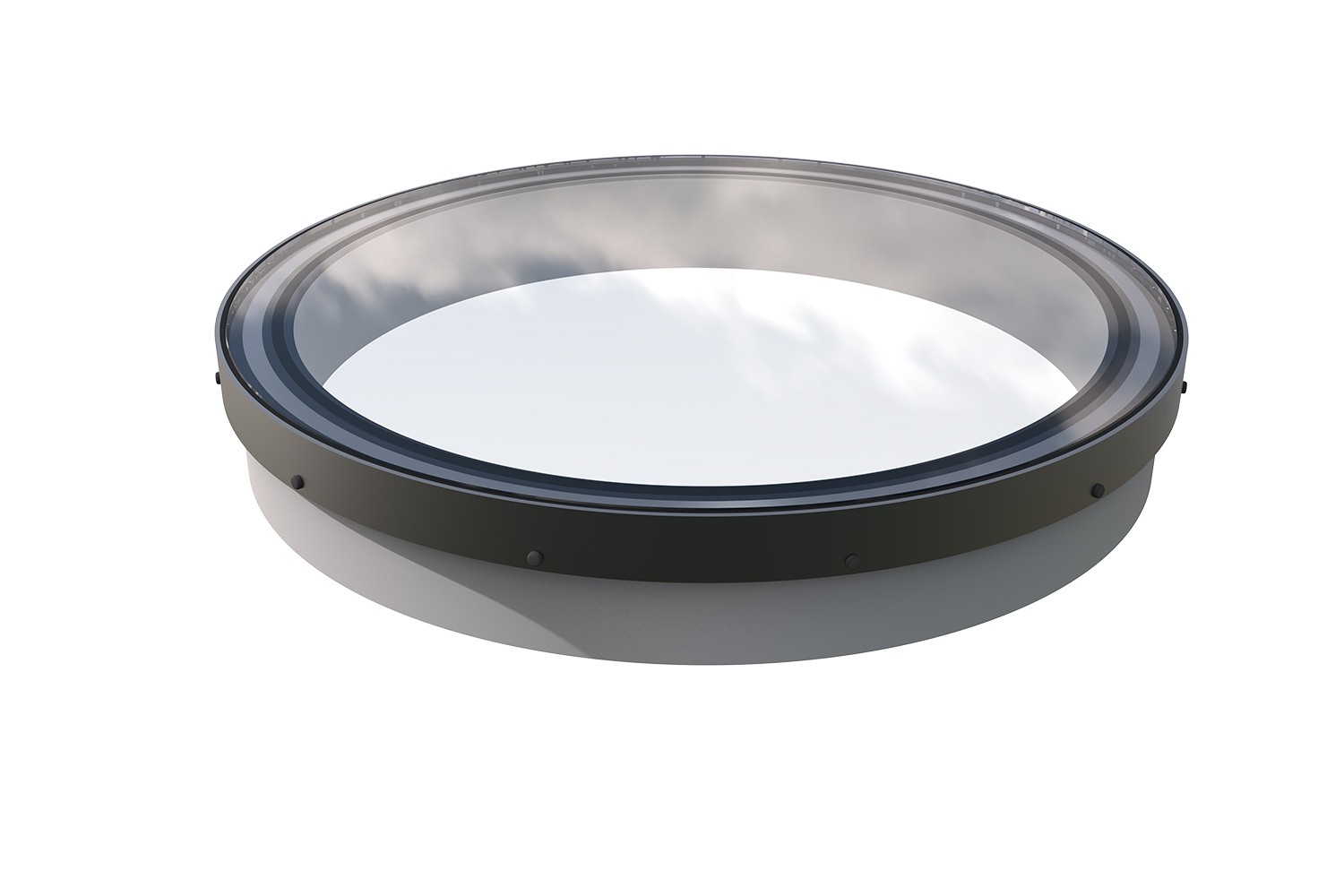
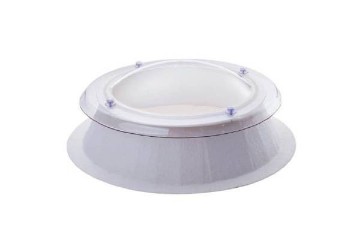
The circular rooflight is available in a range of standard diameters designed to suit common roof openings.
Diameters mm: 600, 750, 900, 1050, 1200, 1350, 1500
Smaller diameters are typically used in bathrooms, hallways, and utility spaces where a compact source of daylight is required.
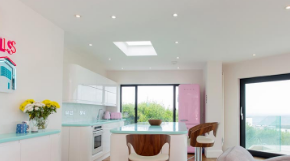
Medium sizes are commonly installed in kitchens and dining areas where focused daylight is needed.
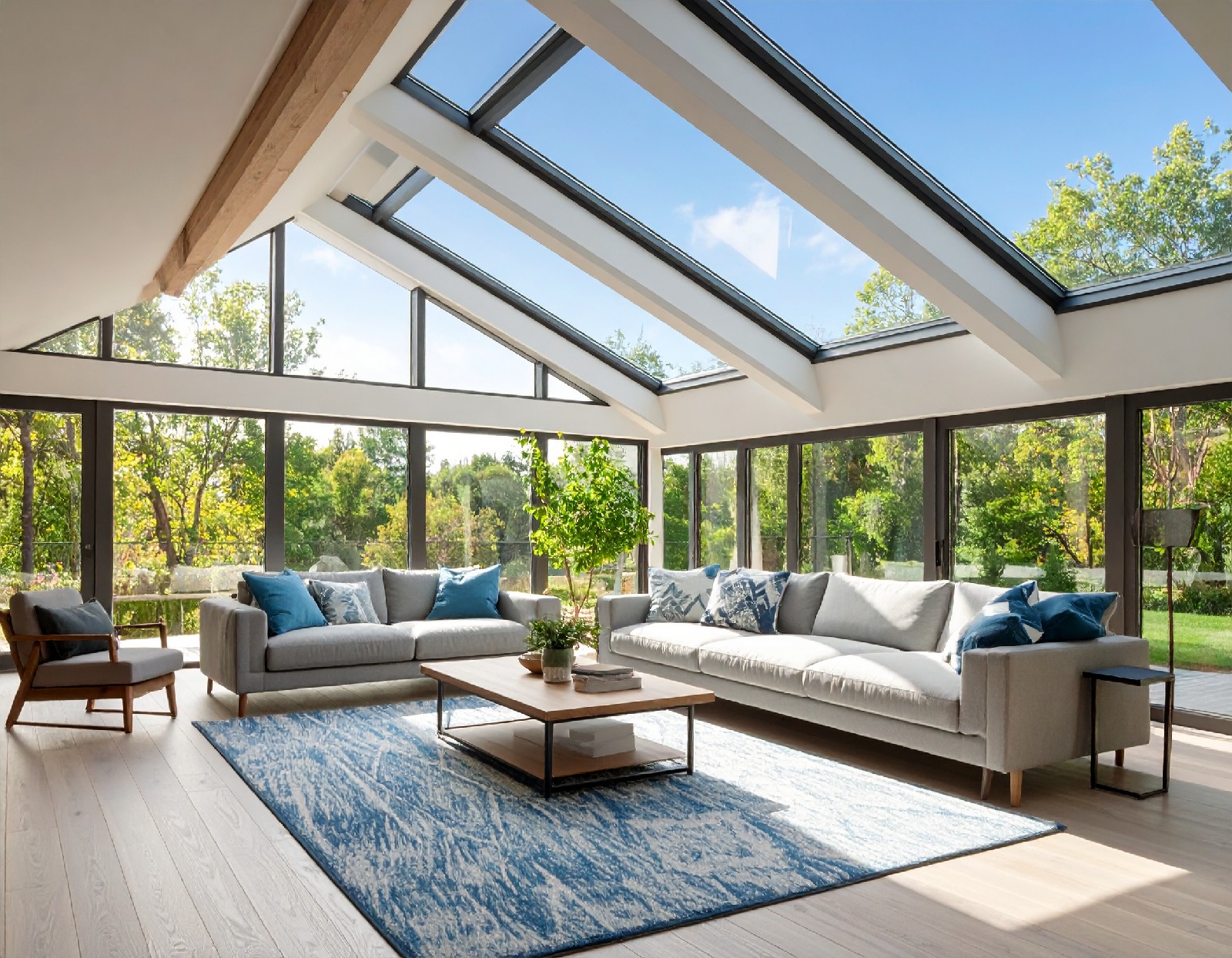
Larger rooflights are often used in open plan rooms where the circular rooflight becomes a central daylight feature within the space.
The selected diameter should provide sufficient daylight while maintaining the roof structure and insulation around the opening.
Frame Construction
The rooflight uses a powder coated aluminium frame finished in Anthracite Grey (RAL 7016).
The slim aluminium frame provides structural strength while allowing the glass area to remain as large as possible. The frame is thermally isolated to reduce heat transfer and improve overall thermal performance.
The powder coated finish provides protection against weather exposure and helps maintain the appearance of the rooflight over time.
Glass Specification
The rooflight uses an insulated double glazed glass unit designed for overhead glazing applications.
Each glass unit includes:
- 6 mm toughened outer pane
- Argon filled cavity
- 7.5 mm laminated Low-E inner pane
The toughened outer pane provides strength and resistance against external impact. The laminated inner pane contains a safety interlayer that helps hold the glass together if damaged.
Low-E glass helps reduce heat loss through the rooflight while maintaining good daylight transmission.
Thermal Performance
The circular rooflight achieves a U-value as low as 1.16 W/m²K.
This level of thermal performance helps reduce heat loss through the roof while maintaining natural daylight levels within the room below.
Installation Options
The rooflight can be installed using two methods depending on the roof construction.
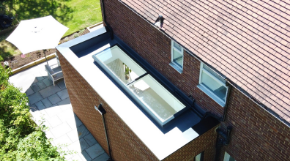
1. Builders Upstand Installation – Used where a roof upstand is already formed as part of the flat roof structure.
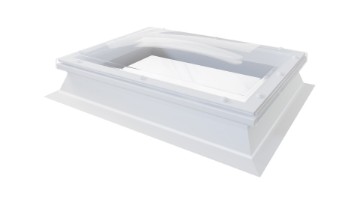
2. Insulated GRP Kerb – Used where a prefabricated kerb is required to provide the correct roof height and waterproofing detail.
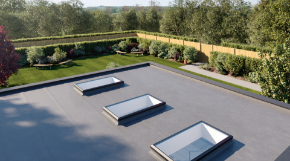
Both installation methods are commonly used in flat roof extensions and refurbishment projects.


 FREE Delivery across the UK
 Buy Direct from the Manufacturer
 10 Year Manufacturer Warranty
 Pay Later with PayPal